

Electric anti-corrosion ball valves are integral components in various industries, especially in sectors such as chemical processing, water treatment, oil and gas, and more. These valves are designed to regulate the flow of fluids, offering precise control while withstanding aggressive and corrosive environments. The combination of electric actuation and corrosion-resistant materials makes them indispensable for operations where reliability and durability are key. In this article, we will explore the role of electric anti-corrosion ball valve OEM manufacturers, the advantages of these valves, and how to choose the right manufacturer for your needs.
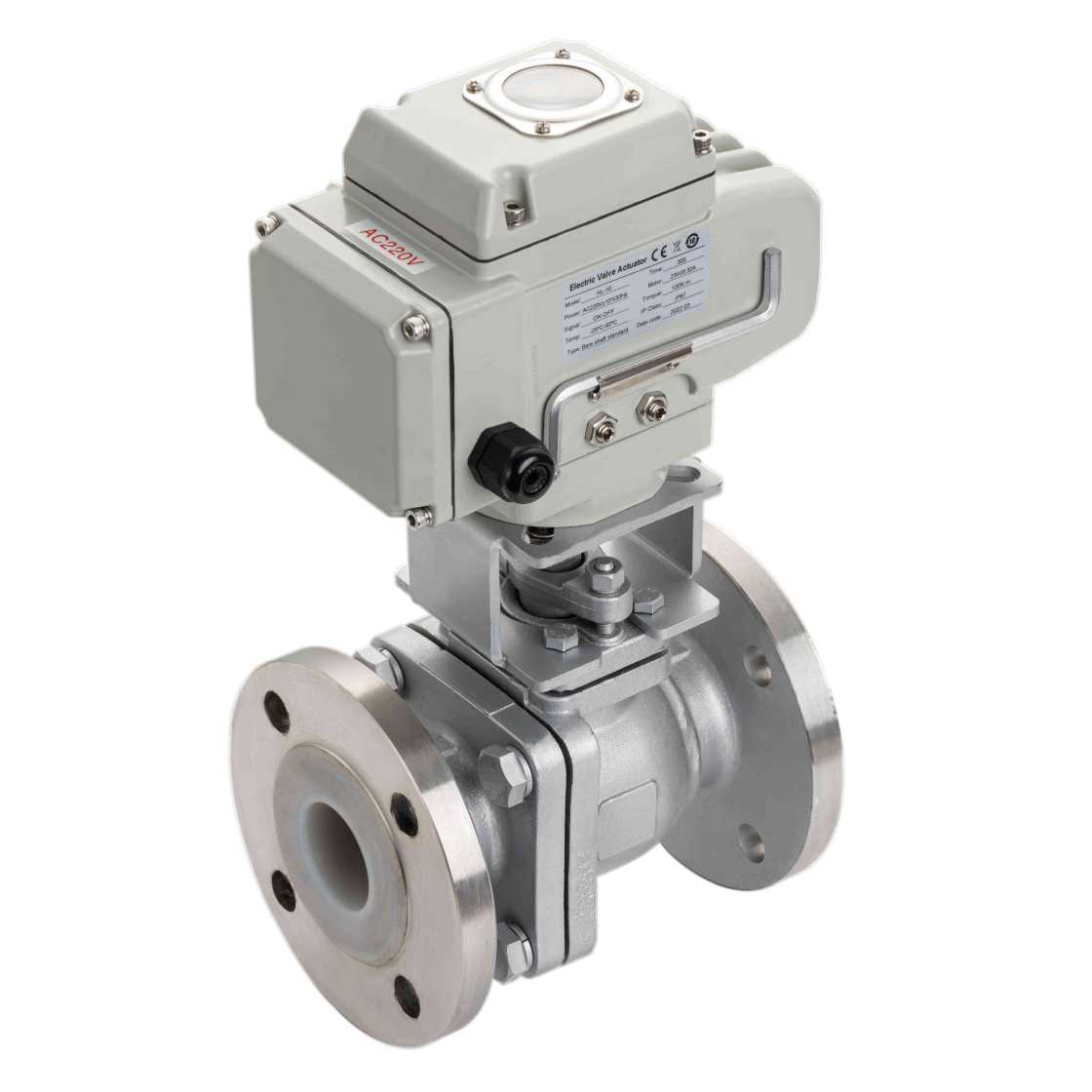
What is an Electric Anti-Corrosion Ball Valve?
An electric anti-corrosion ball valve is a type of ball valve that utilizes an electric actuator to open and close the valve. These valves are typically used in situations where traditional manual or pneumatic actuators are not suitable due to the environment or the need for remote control. The term "anti-corrosion" refers to the special materials used to construct the valve, which are resistant to chemical and physical wear caused by corrosive substances. Common materials for such valves include PTFE (Polytetrafluoroethylene), PVDF (Polyvinylidene Fluoride), and PFA (Perfluoroalkoxy), which are highly resistant to acids, bases, and other aggressive chemicals.

 Chat Oline